Benefits, Uses, and How It Affects the Human Body
Introduction
Picture this: a fungus that grows out of the head of a caterpillar, high up in the frozen mountains of Tibet, and yet ends up in energy drinks, protein powders, and coffee blends sold in city supermarkets thousands of miles away. It sounds like something out of a nature documentary — and honestly, it kind of is. That fungus is Cordyceps, and its strange origin story is only the beginning of why it has become one of the most talked-about natural supplements in the wellness world today.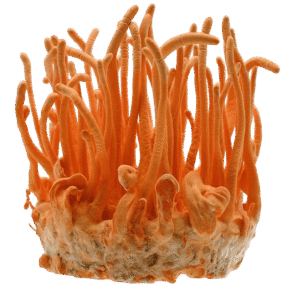
If you’ve scrolled through fitness forums, health podcasts, or supplement store shelves lately, chances are you’ve seen the word “Cordyceps” pop up more than once. It’s showing up in pre-workout blends, immune-support capsules, and even lattes. But most people still don’t really know what it is, where it comes from, or whether it’s actually worth trying.
That’s exactly what this guide is here to answer.
Cordyceps has been quietly used for centuries in traditional Chinese and Tibetan medicine, long before it became a trendy ingredient in the West. It was once so rare and prized that it was reserved almost exclusively for emperors and elite athletes. Today, thanks to modern cultivation methods, it’s far more accessible — and far more studied.
In this article, we’ll break down what Cordyceps actually is, the science behind how it works in the human body, its potential benefits for energy, immunity, and athletic performance, how to choose a good supplement, possible side effects, and much more. We’ll keep things simple, honest, and grounded in real research — no exaggerated claims, just useful information to help you decide if Cordyceps deserves a spot in your daily routine.
Let’s start with the basics.
What Is Cordyceps?
Definition
Cordyceps is a genus of parasitic fungi that grows on the larvae of insects, most famously caterpillars. In simple terms, it’s a mushroom — but not the kind you’d find growing in your backyard or on a pizza. Instead, Cordyceps spores infect a host insect, gradually consume its body for nutrients, and eventually sprout a small stalk-like fruiting body out of the host. It’s unusual, a little unsettling, and biologically fascinating all at once.
There are actually more than 400 known species within the Cordyceps genus, but only two are widely used in supplements and traditional medicine: Cordyceps sinensis and Cordyceps militaris. We’ll get into the differences between these two shortly.
History and Origin
Cordyceps has its roots in the high-altitude regions of the Tibetan Plateau, Nepal, Bhutan, and parts of China, typically found growing between 3,000 and 5,000 metres above sea level. The cold, oxygen-thin environment is part of what makes this fungus so unique — it had to develop powerful adaptive properties simply to survive.
Historical records suggest that Tibetan herders were the first to notice something odd: yaks that grazed on land where this fungus grew seemed to have more energy and stamina than others. Over generations, this observation turned into the traditional use of Cordyceps as a tonic for vitality and strength.
Traditional Use
In Traditional Chinese Medicine (TCM), Cordyceps has been used for hundreds of years to do the following:
- Support respiratory and lung health
- Boost energy and reduce fatigue
- Support kidney function
- Promote longevity
- Aid recovery after illness
Because wild Cordyceps sinensis was extremely rare and difficult to harvest — often requiring people to trek through remote mountain terrain to collect just a few grams — it became one of the most expensive natural substances in the world, at times selling for more than gold by weight.
Modern Use
Fast forward to today, and the story looks quite different. Scientists have developed lab cultivation methods, particularly for Cordyceps militaris, which allow this fungus to be grown reliably, affordably, and sustainably without depending on rare wild harvests.
This shift has made Cordyceps far more accessible to the general public, and it’s now available in multiple for
Ms:
- Capsules
- Powders
- Tinctures and extracts
- Functional coffee and tea blends
- Gummies
Modern research has also started to explore what traditional practitioners observed for centuries, looking specifically at how Cordyceps may influence energy metabolism, immune response, and physical performance.
Important note: Cordyceps is classified as a dietary supplement, not a drug or medical treatment. It’s not intended to diagnose, treat, cure, or prevent any disease. Always consult a healthcare professional before adding any new supplement to your routine.
Types of Cordyceps
While there are hundreds of Cordyceps species, two dominate the supplement world.
Cordyceps Sinensis
This is the original, wild-harvested variety found in the Himalayan region. It grows on a specific caterpillar host (the ghost moth larva) and is extremely difficult and expensive to harvest naturally. Due to its rarity, most “Cordyceps sinensis” products on the market today are actually lab-grown using a related fungal strain called CS-4, which mimics the properties of the wild variety.
Cordyceps Militaris
This species doesn’t require an insect host to be cultivated — it can be grown on grains like rice or other substrates in a lab setting. This makes it far more sustainable, affordable, and consistent in quality. Interestingly, research suggests Cordyceps militaris may actually contain higher levels of cordycepin, one of its key active compounds, compared to wild Cordyceps sinensis.
Comparison Table: Cordyceps Sinensis vs. Cordyceps militaris
Features: Cordyceps Sinensis, Cordyceps Militaris Natural Habitat: High-altitude Himalayan regions Can be cultivated almost anywhere. Host Ghost moth caterpillar larvae Grown on grain substrate (no insects needed) Availability: Rare, expensive, often wild-harvested Widely available, lab-cultivated Cordycepin Content Generally lower Generally higher sustainability, limited, environmentally sensitive More sustainable and eco-friendly Common Form Sold Often as the CS-4 strain (lab-grown substitute) Fruiting body extract price Higher, More Affordable, Traditional Use Centuries of use in TCM Increasingly used in modern research and supplements
Most Cordyceps supplements sold today use Cordyceps militaris, largely because of its ease of cultivation and favourable active compound profile.
Nutritional Profile of Cordyceps
Cordyceps isn’t just valued for tradition — it contains a genuinely interesting mix of bioactive compounds that researchers believe contribute to its effects on the body.
Key Active Compounds
- Cordycepin – A nucleoside compound unique to Cordyceps, considered one of its primary active ingredients and the focus of much of the current research.
- Adenosine – A naturally occurring compound involved in energy transfer and cellular signalling within the body.
- Polysaccharides – Complex carbohydrates, including beta-glucans, associated with immune-modulating properties.
- Beta-glucans – A specific type of polysaccharide found in the cell walls of fungi, often studied for its interaction with the immune system.
- Antioxidants – Compounds that help neutralise free radicals, including superoxide dismutase (SOD) and other polyphenolic substances.
- Amino Acids – Cordyceps contains a range of essential and non-essential amino acids that support general protein synthesis and tissue repair.
- Vitamins and Minerals – Trace amounts of B vitamins, vitamin E, zinc, copper, selenium, iron, and potassium.
- Sterols – Including ergosterol, a precursor to vitamin D2.
This combination of nutrients and bioactive compounds is what researchers believe gives Cordyceps its wide-ranging effects — though it’s worth noting that concentrations can vary significantly depending on cultivation method, species, and extraction process.
How Does Cordyceps Work in the Human Body?
To understand why Cordyceps has generated so much interest, it helps to look at what’s actually happening inside the body when it’s consumed.
1. Immune System Support
The beta-glucans and polysaccharides in Cordyceps are believed to interact with immune cells, potentially helping to modulate immune response. Some laboratory studies suggest these compounds may support the activity of macrophages and natural killer (NK) cells, which play a role in the body’s natural defence system.
2. Energy Production (ATP)
One of the most talked-about mechanisms involves adenosine triphosphate, or ATP — the molecule your cells use as their primary energy currency. Cordyceps is thought to support the body’s natural ATP production process, which is why it’s so closely associated with energy and endurance.
3. Oxygen Utilisation
Some research, particularly in athletes and older adults, suggests Cordyceps may help improve how efficiently the body uses oxygen during physical activity. This is one of the reasons it’s popular among endurance athletes and people training at altitude.
4. Stamina and Physical Endurance
By potentially supporting both energy metabolism and oxygen use, Cordyceps has become a popular natural option for people looking to improve stamina during workouts, sports, or physically demanding jobs.
5. Cellular Health
The antioxidant compounds in Cordyceps may help protect cells from oxidative stress, a natural byproduct of metabolism and physical exertion that, over time, can contribute to cellular ageing and damage.
6. Antioxidant Activity
Cordyceps contains compounds that may help neutralise free radicals in the body, which is part of why it’s often included in “healthy ageing” and recovery-focused supplement stacks.
7. Inflammation Response
Some studies suggest certain compounds in Cordyceps may have a modulating effect on inflammatory markers in the body, though this research is still developing and mostly limited to lab and animal studies.
8. Recovery Support
Because of its potential role in energy metabolism, oxygen utilisation, and antioxidant activity, many people use Cordyceps as part of a post-exercise recovery routine.
A note on the science: Much of the strongest evidence for these mechanisms comes from laboratory and animal studies. Human clinical research is growing but remains limited in some areas, which we’ll discuss more in the research section below.
Health Benefits of Cordyceps
Let’s go through the most commonly discussed benefits of cordyceps, one at a time.
Boosts Energy
This is probably the number one reason people try Cordyceps. By supporting ATP production, many users report feeling more naturally energised throughout the day, without the jittery crash sometimes associated with caffeine.
Improves Stamina
Cordyceps is frequently used by people looking to push through longer workouts, hikes, or physically demanding days without feeling as drained. This ties directly into its potential role in oxygen utilisation and energy metabolism.
Supports Athletic Performance
Athletes – from casual runners to competitive cyclists – have taken an interest in Cordyceps for its potential to support VO2 max (a measure of how efficiently your body uses oxygen during exercise), though results in human studies have been mixed and often depend on the individual and training status.
Enhances Immunity
Thanks to its beta-glucan and polysaccharide content, Cordyceps is often included in immune-support supplement formulas, particularly around seasonal changes when people are more prone to catching colds.
Supports Respiratory Health
In traditional Chinese medicine, Cordyceps has long been associated with lung and respiratory support. Some modern research has explored its potential role in supporting healthy lung function, particularly in older adults.
May Improve Heart Health
Some preliminary studies suggest Cordyceps may support healthy cholesterol levels and circulation, though more robust human trials are needed before any strong conclusions can be drawn.
Helps Maintain Healthy Blood Sugar
Certain animal studies have shown that Cordyceps may help support healthy insulin sensitivity and blood sugar regulation. This is a promising area of research, but it’s still early, and Cordyceps should never replace prescribed diabetes medication or monitoring.
Supports Liver Health
Traditional use and some early research suggest Cordyceps may help support liver function and protect liver cells from oxidative stress, though this is another area where more human research is needed.
Brain Health
Some of the antioxidant and anti-inflammatory properties associated with Cordyceps have led researchers to explore its potential role in cognitive health and mental clarity, though direct human evidence in this area is still limited.
Anti-Ageing Properties
Because oxidative stress is closely linked to the ageing process, the antioxidant compounds in Cordyceps have made it popular in the “healthy ageing” supplement category.
Sexual Wellness
Traditionally, Cordyceps has been used to support libido and reproductive health in both men and women. Some small studies have explored its role in this area, though larger, more rigorous human trials are still needed to confirm these effects.
Stress Management
Cordyceps is sometimes categorised as an adaptogen — a class of natural substances believed to help the body adapt to physical and mental stress. While research is ongoing, many users report a subjective sense of improved resilience to daily stress.
Recovery After Exercise
Between its antioxidant properties and its role in supporting energy metabolism, Cordyceps is a popular addition to post-workout recovery stacks, often paired with protein or electrolytes.
Scientific Research on Cordyceps
It’s important to separate tradition from science and to be honest about what current research actually shows.
- A number of animal and cell-based studies have found that cordycepin and polysaccharides in Cordyceps may support immune cell activity and have antioxidant effects.
- Small human studies on Cordyceps and exercise performance have shown some promising results related to oxygen uptake (VO₂ max), particularly in older, healthy adults — but results have been inconsistent, and larger trials in younger athletic populations haven’t always shown significant improvements.
- Research into Cordyceps and blood sugar regulation has mostly been conducted in animal models, with encouraging but preliminary results.
- Some studies suggest a potential role in supporting kidney and liver function, largely based on traditional use combined with early laboratory findings.
The honest takeaway: Cordyceps has a strong traditional-use history and a growing body of preliminary scientific support, but much of the human clinical research is still in its early stages, often using small sample sizes. More large-scale, high-quality human trials are needed before definitive medical claims can be made. If you’re considering Cordyceps for a specific health condition, it’s best to view it as a complementary wellness tool, not a substitute for medical treatment, and to speak with a healthcare provider first.
Who Should Take Cordyceps?
Cordyceps may be worth considering for the following:
- Athletes looking for natural support for stamina and endurance training
- Gym-goers wanting help with workout energy and recovery
- Office workers dealing with midday energy slumps or mental fatigue
- Older adults interested in general vitality and healthy ageing support
- Students managing long study sessions and mental fatigue
- Busy professionals juggling demanding schedules who want a natural energy option
As always, individual results vary, and it’s a good idea to talk to a doctor before starting, especially if you have any existing health conditions.
Who Should Avoid Cordyceps?
Cordyceps isn’t right for everyone. The following groups should avoid it or consult a doctor before use:
- Pregnant women – There isn’t enough safety research on Cordyceps during pregnancy.
- Breastfeeding mothers – Similarly, safety data during lactation is limited.
- People with autoimmune disorders (such as lupus, rheumatoid arthritis, or multiple sclerosis) – Because Cordyceps may stimulate immune activity, it could theoretically worsen autoimmune symptoms.
- Anyone preparing for surgery – Cordyceps may affect blood clotting and blood sugar levels, so it’s generally recommended to stop use at least two weeks before a scheduled surgery.
- People taking blood thinners (such as warfarin) – Cordyceps may have mild blood-thinning properties, which could increase bleeding risk when combined with anticoagulant medication.
- Organ transplant recipients – Because these individuals are typically on immunosuppressant medication, and Cordyceps may stimulate immune activity, this combination could be risky.
If you fall into any of these categories, please speak with your doctor before considering Cordyceps supplementation.
Possible Side Effects of Cordyceps
Cordyceps is generally considered well-tolerated by most healthy adults, but like any supplement, it can cause side effects in some people, including:
- Mild digestive discomfort (nausea, bloating, or diarrhoea)
- Dry mouth
- Headache
- Allergic reactions (especially in people allergic to mould or fungi)
- Potential interaction with blood-thinning or immune-suppressing medications
Side effects are generally mild and uncommon, but if you experience any unusual symptoms after starting Cordyceps, discontinue use and consult a healthcare provider.
Recommended Cordyceps Dosage
Dosage can vary depending on the form of Cordyceps and the concentration of active compounds, so it’s important to follow the manufacturer’s instructions on the product label. That said, here are general ranges commonly seen in supplements and studies:
Capsules
Most Cordyceps capsule supplements range from 1,000 mg to 3,000 mg per day, often split into two doses.
Powder
Powdered Cordyceps is typically dosed around 1 to 3 grams per day, mixed into water, coffee, smoothies, or tea.
Extracts (Tinctures/Concentrated Extracts)
Concentrated extracts are more potent, so dosages are usually lower — often in the range of 500 mg to 1,000 mg per day, depending on the extraction ratio and cordycepin concentration.
Important: These are general reference ranges, not medical advice. Always start with the lowest recommended dose to assess tolerance, and follow the specific product’s label instructions. Consult a healthcare professional before starting any new supplement regimen.
Best Time to Take Cordyceps
Because of its association with energy and stamina, many people prefer taking cordyceps:
- In the morning, to support energy levels throughout the day
- 30–60 minutes before a workout, for those using it to support exercise performance
Taking it too late in the day may cause mild energising effects that could interfere with sleep for some sensitive individuals, so it’s generally best to avoid taking it in the evening.
How to Choose a High-Quality Cordyceps Supplement
Not all Cordyceps supplements are created equal. Here’s what to look for:
Fruiting Body vs. Mycelium
This is one of the most important distinctions in mushroom supplements.
- A fruiting body refers to the actual mushroom structure – this is generally considered to contain higher concentrations of beneficial compounds like cordycepin.
- Mycelium is the root-like network the fungus grows from, often cultivated on grain. Mycelium-on-grain products can sometimes contain more starch filler and lower concentrations of active compounds.
Look for supplements that clearly state they use fruiting body extract for a more potent, cleaner product.
Cordycepin Percentage
High-quality supplements often list the standardised percentage of cordycepin (and sometimes adenosine) on the label. This transparency is a good sign of quality and helps ensure you’re getting a meaningful dose of the active compound.
Beta-Glucan Content
Since beta-glucans are linked to immune support, look for products that specify their beta-glucan percentage, ideally verified through third-party lab testing.
Third-Party Testing
Reputable supplement brands send their products to independent labs to verify potency, purity, and safety (checking for heavy metals, contaminants, and accurate ingredient labelling). Look for a Certificate of Analysis (CoA) or third-party testing seal.
Manufacturing Standards
Choose supplements made in facilities that follow Good Manufacturing Practices (GMP), which is a strong indicator of quality control and safety standards.
Organic Sourcing
Where possible, opt for certified organic Cordyceps products, which reduces the risk of exposure to pesticides or synthetic fertilisers during cultivation.
Frequently Asked Questions About Cordyceps
1. What is Cordyceps used for? Cordyceps is commonly used to support energy, stamina, immune function, and general vitality. It has a long history in traditional medicine and is now widely available as a modern dietary supplement.
2. Is Cordyceps a mushroom? Yes, Cordyceps is a type of parasitic fungus, often referred to as a “medicinal mushroom”, even though its natural growth process (on insect larvae) is quite different from that of culinary mushrooms.
3. Does Cordyceps really boost energy? Some research and a long history of traditional use suggest Cordyceps may support natural energy production by aiding ATP metabolism, though individual results can vary, and more large-scale human studies are needed.
4. Can I take Cordyceps every day? Many people take Cordyceps daily, but it’s best to follow the dosage guidelines on your specific product and consult a healthcare provider, especially for long-term use.
5. Is Cordyceps safe for beginners? Generally, yes, for healthy adults. It’s a good idea to start with a lower dose to see how your body responds before increasing to the full recommended amount.
6. Does Cordyceps interact with medications? Yes, it may interact with blood thinners, immunosuppressants, and diabetes medications. Always consult your doctor if you’re on any prescription medication.
7. What’s the difference between Cordyceps sinensis and militaris? Cordyceps sinensis is the rare, wild-harvested variety from the Himalayas, while Cordyceps militaris is more commonly cultivated in labs and often contains higher levels of cordycepin.
8. Can Cordyceps help with weight loss? There isn’t strong direct evidence that Cordyceps causes weight loss. Its potential energy-boosting and metabolism-supporting properties may indirectly support an active lifestyle, but it shouldn’t be viewed as a weight-loss solution.
9. Is Cordyceps vegan? Lab-cultivated Cordyceps militaris (grown on grain substrate, without insects) is typically vegan friendly. Always check the product label to confirm the cultivation method.
10. How long does it take to feel the effects of Cordyceps? Some users report noticing effects within a few days to two weeks, while others may need four to six weeks of consistent use to notice a difference. Individual response varies.
11. Can athletes take Cordyceps before competitions? While Cordyceps is a natural supplement, athletes in regulated sports should check with their sports organisation’s guidelines, as supplement regulations and banned-substance lists vary.
12. Is Cordyceps safe for children? There isn’t sufficient safety research on Cordyceps use in children, so it’s generally not recommended without direct guidance from a paediatrician.
13. Can I take Cordyceps with coffee? Yes, many people combine Cordyceps powder with coffee as a way to support energy without excessive caffeine-related jitters, though this may increase overall stimulation for some individuals.
14. Does Cordyceps help with sleep? Cordyceps is generally associated with energy and alertness, so it’s not typically used as a sleep aid. It’s best taken earlier in the day rather than before bedtime.
15. Where does Cordyceps come from? Traditionally, Cordyceps sinensis comes from the high-altitude regions of Tibet and the Himalayas. Today, most commercial Cordyceps (particularly militaris) is cultivated in controlled lab environments around the world.
Common Myths vs. Facts About Cordyceps
MythFactCordyceps is a plant. Cordyceps is a fungus, not a plant. All Cordyceps supplements are the same. Quality varies widely based on species, extraction method, and fruiting body vs. mycelium content. Cordyceps works instantly like caffeine. Effects tend to build gradually over days to weeks of consistent use, unlike the immediate stimulant effect of caffeine. Cordyceps is only for athletes. While popular with athletes, it’s used by a wide range of people, including office workers, students, and older adults. Wild Cordyceps sinensis is always better. Lab-cultivated Cordyceps militaris often contains higher cordycepin levels and is more sustainable and affordable. Cordyceps can cure diseases. Cordyceps is a dietary supplement, not a cure for any disease. It should complement, not replace, medical treatment. Cordyceps has no side effects. While generally well-tolerated, it can cause mild digestive upset or interact with certain medications.
Final Conclusion
Cordyceps has travelled a long way—from the remote, wind-swept mountains of Tibet to supplement shelves and morning coffee routines around the world. Its centuries-long history in traditional medicine, combined with a growing (though still developing) body of modern scientific research, makes it one of the more interesting natural supplements available today.
Whether you’re an athlete chasing better stamina, a busy professional battling afternoon slumps, or simply someone curious about natural ways to support energy and immunity, Cordyceps offers a genuinely intriguing option worth learning about.
That said, it’s important to approach it with realistic expectations. Cordyceps is a dietary supplement, not a miracle cure, and it works best as part of a broader healthy lifestyle that includes good nutrition, regular movement, quality sleep, and stress management. If you have any underlying health conditions or take medication, always check with a healthcare professional before adding cordyceps — or any new supplement — to your routine.
Used thoughtfully and consistently, Cordyceps may be a valuable addition to your wellness toolkit, backed by both ancient tradition and ongoing scientific curiosity.
If you want to know more, please contact the number http://+917007115016
(Note: When publishing, link each reference to a specific, relevant study or article rather than the homepage, and verify the source is current and applicable to the claim being cited.)